From Mountain Trails to Savannah Paths: Lessons in Learning and Leading

The landscapes may change, but the heart of learning stays the same.

In my earlier blog, Insight from a Hike: A Story About a Personal Journey and a Metaphor About Learning (March 2020), I shared how hiking in the Colorado Rockies became more than just a physical activity for me, it became a metaphor for learning and personal growth. I started with familiar trails, set small goals, took breaks when I needed to, and celebrated the little victories along the way. Every hike taught me something about perseverance, self-awareness, and the importance of setting a pace that fits the journey you’re on.
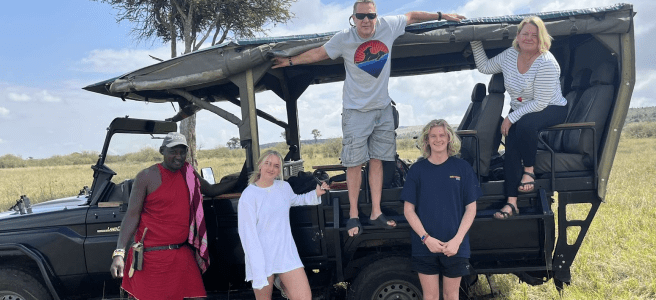
Now, my path has led me from the structured trails of Colorado to the open savannahs of Kenya. Here, the landscape is vast, unpredictable, and full of unknowns… much like the journey of lifelong learning. On safari, there aren’t many marked trails or clear signposts. You have to rely on observation, intuition, and adaptability to find your way.

When I think about learning… real, deep learning… I keep coming back to the lessons I’ve picked up outdoors. Whether it’s a slow hike up a mountain or a wide-open safari, the patterns are the same: uncertainty, observation, and collaboration. These experiences remind me that the way we move through the world is the way we learn, and that’s exactly what the ISK Big 5 capture. I’m proud of how our community has embraced this shift. We’re not just talking about skills in the abstract anymore; we’re starting to really see the Big 5 alive in our learning, in our behavior, and in the way we show up for each other, both inside and outside the classroom.

On a well-marked trail, it’s easy to feel confident; the next step is obvious. But on the savannah, the path isn’t always laid out for you. You have to navigate through uncertainty, trust your instincts, and adjust along the way. Learning works the same way. It’s rarely a straight line. Being a strong Self-Manager means staying grounded even when things feel unclear. It’s about knowing what you need, being responsible for keeping yourself moving forward, and finding the resilience to push through when you might feel a little lost. Growth happens when we stop waiting for certainty and just start walking.
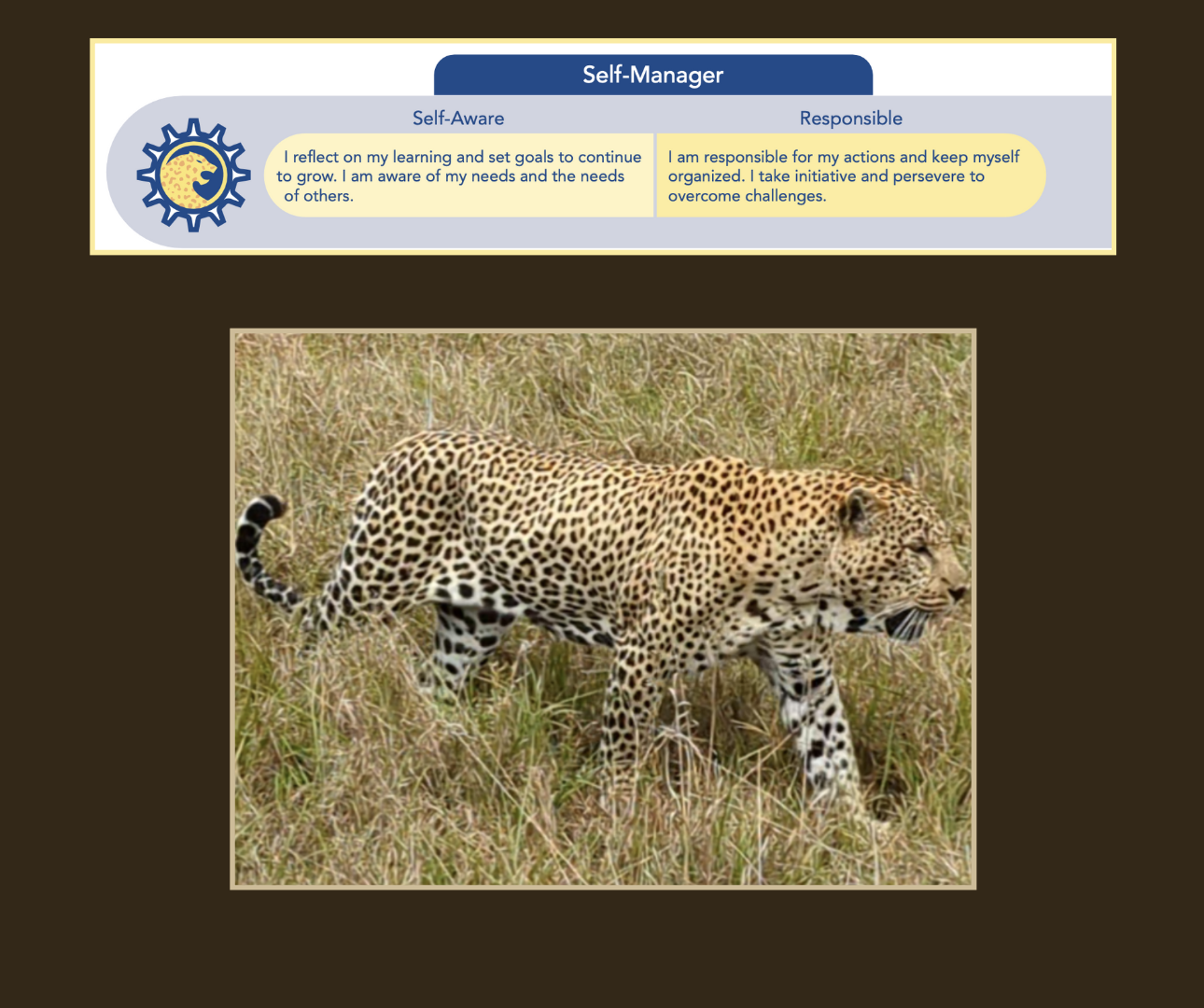
On safari, your success often depends on what you notice… the flick of an ear, a shift in the wind, the stillness that wasn’t there a second ago. Learning asks the same of us. As Thinkers, we have to stay curious, ask the kinds of questions that open new possibilities, and reflect on what’s right in front of us. Sometimes the biggest insights don’t come from the loud and obvious; they come from the small details we take the time to notice. Good learning, like good exploring, starts with paying attention.

And nobody goes on safari alone. You lean on your guide’s experience, the sharp eyes of your fellow travelers, the quiet teamwork of a group tuned into the same goal. Learning thrives the same way- through connection. Being a Communicator means listening deeply and sharing ideas in ways that bring people in, knowing that what we say and how we say it matters. Being a Collaborator means building on each other’s strengths, asking good questions, and sometimes compromising so we can move forward together. Exploration, whether it’s across the savannah, in a classroom, or in a big life transition, always gets richer when we’re willing to see through more than just our own eyes.

At the heart of all of this is a mindset that goes beyond managing ourselves, thinking critically, or working together. It’s about what we choose to do with all of that learning. Being a Changemaker means using what we know to make a positive difference… not just for ourselves, but for the communities and the world around us. It means investigating the world, recognizing different perspectives, and taking action with care and purpose. Whether we’re hiking a trail, stepping into a new chapter, or coaching others along their own paths, the real impact comes when we decide to leave things better than we found them.

Although I might enjoy the solitude of a mountain hike, a safari is impossible to do alone. You rely on others… their eyes, their instincts, their energy. When I think back on the safaris I’ve been lucky enough to share, it’s the people that stand out. I learned the importance of patience, how you can sit for what feels like forever, just watching for the slightest flicker of movement deep in the bush. I listened to stories of past adventures that made the experience even richer. I saw a real hunger to learn, not just about the animals, but about the environment, the people, and the bigger picture. I watched how often conversations turned to wondering: How can we show up in ways that help, without letting our privilege get in the way? And through it all, what stood out most was the sense of gratitude and humility. Being out there reminds you how small you are — and how much bigger the world is when you take the time to really see it. That’s what the Big 5 are about too. It’s not just about learning for yourself; it’s about learning alongside others and using what you know to make a difference.

In the end, it’s not about reaching a destination. It’s about learning how to walk, how to notice, how to listen… and how to leave something better behind.

Analyzing Authentic Assessments

As we continue to practice aligning assessments to standards, it’s important to not only reflect on student data but to plan for improving results for all learners. Framing our conversation (aka using a protocol) about student data will help us focus on the learning targets and how the assessment actually provided evidence of mastery of the targeted standards.

Steps for Framing a Team Conversation

Within one week of giving a common assessment, set aside 30 minutes of your team’s common planning time (teachers will need to mark their class’s assessments before the team meeting). If you are a one-person team, then ask a critical friend, an administrator, or an instructional coach to join you for some analysis fun!

Screen Shot 2017-09-03 at 12.11.32 PM.png
I hope that my colleagues know that I am always eager to join a conversation about learning!

As a team, consider the following questions, from In Praise of American Educators, to determine the validity of the assessment, its alignment to the standards, and how the data will be used to improve results for all students. Your team may decide that other questions should be added to frame the conversation. Add those, too.


Screen Shot 2017-09-03 at 11.30.40 AM
The reproducible below is found in the book above.


Possible questions to consider, from DuFour’s book:

Screen Shot 2017-09-03 at 11.47.57 AM

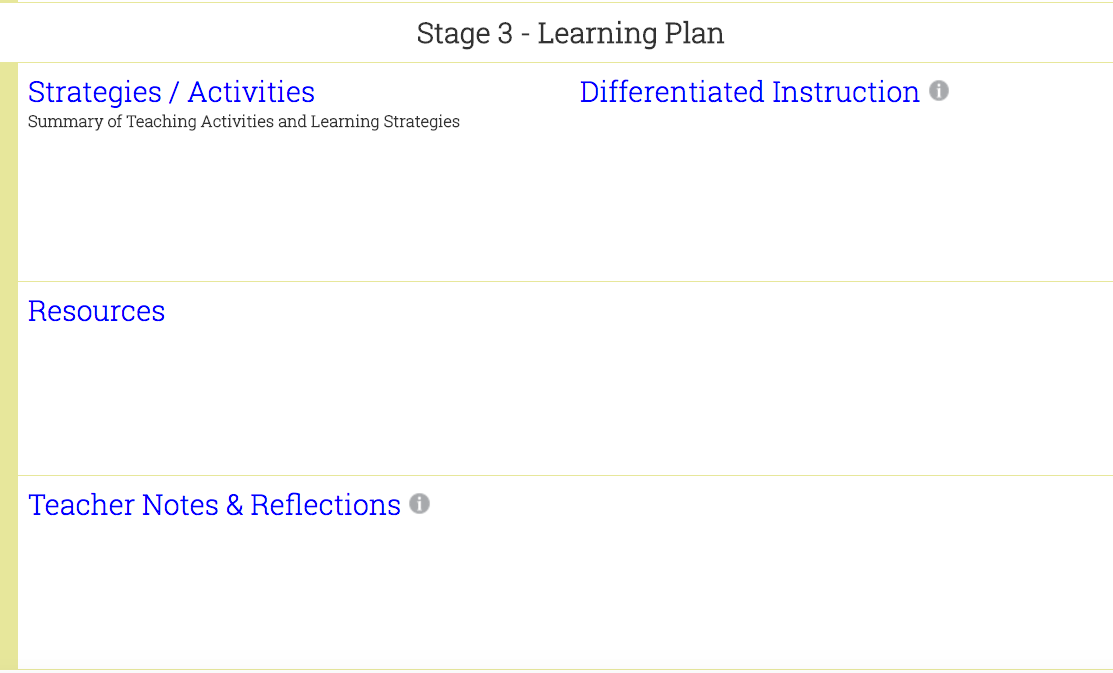
Once the team feels that they have a better understanding of the students’ current learning of the targeted standards, then consider what these results mean to the next unit of study as well as how this unit will be revised for next year. Those reflective notes should be added to the unit documentation as well as the assessment. The ATLAS UbD template is a perfect spot to add strategies for differentiation and notes about the unit.


Screen Shot 2017-09-03 at 11.49.41 AM.png
This is our template for Stage 3 in ATLAS. Some teams also use Google Docs for Stage 3.


Finally, check out Solution Tree’s free resources for tools to help your team work collaboratively and with purpose, information about upcoming webinars, and a video library from the experts in learning.

Have a great week!

Ginny

Reaching Reluctant Writers

How do we inspire kids to be writers when they just don’t want to? This is the case for lots of kids. English Language Learners, perfectionists, those with insufficient experience or knowledge of a subject, those who prefer to tell stories rather than write them… the list is endless. Some kids (and adults) just don’t want to write.

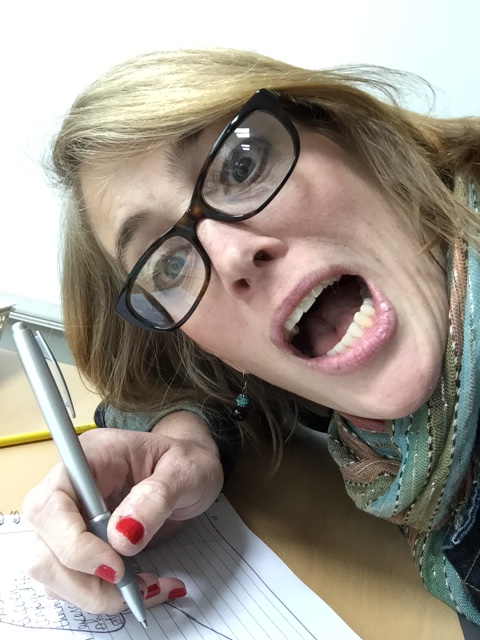
Teachers can easily Google strategies to help reluctant writers- and find a plethora of resources to guide their lessons. The surest way to inspire writers is to be one… and share your ideas, your struggles, your stories. When I show a student the way I have used a certain strategy, in my own notebook, it shows them that I am in this with them- not teacher to student… but writer to writer. That is deep.

My Writer's Notebook. I need to fancy it up with pictures and ideas for stories!
My Writer’s Notebook. I need to fancy it up with pictures and ideas for stories!

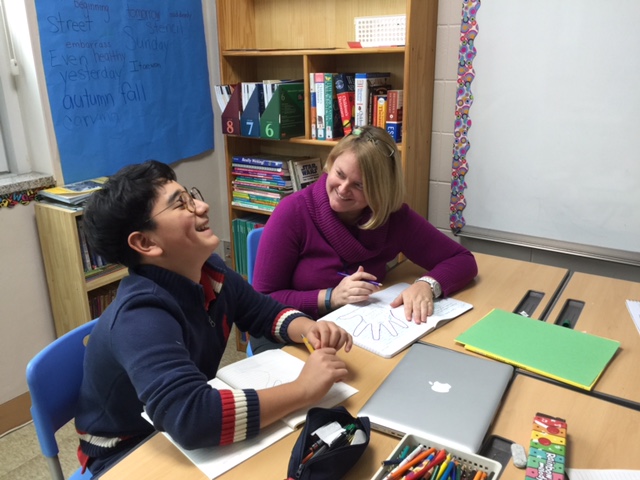
This morning, I was asked to model a lesson in a sixth grade ELL class. The students participated in a Week without Walls experience last week, and their teacher, Mrs. Garrick, wanted them to write about it. Knowing that these two students were reluctant writers, I decided to show them a strategy that took the overwhelming pressure of staring at a blank page of many lines, and turned it into a fun way to hold on to memories.

The Model: I attended the EARCOS Leadership Conference last week in Bangkok. Looking back on my notes, I chunked my learning around 5 topics. I have 5 fingers, so I thought that if I traced my hand in my writer’s notebook, then not only do I have a place to brainstorm, but I have taken up some space, and won’t have to write as much (this is my middle school thinking). Genius!

Modeling the strategy
Modeling the strategy- trace the hand

Modeling the strategy- brainstorm the topics

Interactive Writing/Shared Writing: After I modeled my topics and journal entry, I asked the students to think about how they could divide their writing into topics. Since the subject was their Week Without Walls trip, they considered these topics-

  1. What was the best part of the week?
  2. What was the worst part of the week?
  3. What was most fun or most embarrassing?
  4. What did I learn?
  5. How did I make new friends or show leadership during the week?

Sharing ideas about topics

Independent Writing: Hands were traced, ideas for each topic were jotted in the fingers on the page, and the writing began. They wrote topic by topic until they wrote to the very end of the page. “Now what?” they asked. “Turn the page and keep going,” we smiled.

"This was the best day of writing! It was so much fun! Look how much I wrote; can I finish it at home?"
“This was the best day of writing! It was so much fun! Look at how much I wrote; can I finish it at home?”

Sharing Time: I was barely able to get them to stop writing before the lunch bell sounded. My question was simple- what was different about today’s workshop, than other days? With smiles from ear to ear, they exclaimed…

“This was fun!”

“The topics made it easy to know what to write next!”

“The hand in the middle of the page meant that I didn’t have to write as much (even though they actually wrote more than any other workshop this year).”

This made us grin from ear to ear. Today we reached the most reluctant of writers.

My journal entry.
My journal entry.

Thank you, Mrs. Garrick, for sharing your wonderful students with me. I love spending time writing with you all and learning with you all.

Mrs. Garrick- fellow teacher, fellow learner, fellow writer.