I keep telling people I’m “retired,” but honestly? It still feels exactly like summer break. Just… longer. As in, the longest summer ever.
You’d think after decades in education, my body would know the difference between “July freedom” and “you actually don’t have to go back in August.” But no. Every morning I wake up expecting that telltale flutter in my chest… the quiet mental checklist of meetings, walkthroughs, agendas, and responsibilities.
Instead, nothing. Just the soft, strange realization: Oh. Right. This is my first attempt at retirement.
My Endless Summer?!
Summer That Never Ends
Let me be clear: I’m not complaining. There are parts of this “forever summer” that I am embracing with full, unapologetic enthusiasm:
No alarm clock.
No makeup.
No “professional clothes” (whatever those were… I’ve fully forgotten).
An alarming number of weekday PJ days… a freedom I never knew I needed.
But there’s also this odd internal clock that refuses to reset. After a lifetime of school-year cycles, my brain keeps insisting, Any day now… we go back.
Except we don’t. Not this time.
My Secret: I Haven’t Really Left School
Which brings me to my confession: I cannot stay off LinkedIn.
I scroll through it like a retired detective scrolling old case files, muttering, “Ah, yes, I remember that initiative…”
I feel like a Peeping Tom in the international-school community, quietly watching from the bushes while everyone shares learning highlights, leadership reflections, new jobs, updated titles, conference photos, PD takeaways, mentoring moments.
Everyone else is in the proverbial “staff room,” buzzing with the energy of a new academic year. And I’m standing outside the window like, “Oh wow, look at that inquiry-based learning celebration! Good for them!”
I’m not in it anymore, but goodness, I still love it. And I can’t seem to walk away from it completely, or even partially.
Where would I be without #tieonline?
Lost-ish, but Fine-ish
So how’s retirement going? Honestly: a mixed bag.
Some days, I feel unmoored, like I left the dock but forgot to bring the paddles. There’s no calendar telling me where to be, what to do, or who needs me.
And as silly as it sounds, that can feel a little… lonely. Or aimless. Or like I’m waiting for school to start again after a really, really long July.
But then there are the other days… the ones when I think, “Oh wow, this is actually lovely.” When the coffee tastes better than it ever did at 6:00 a.m. When the day unfurls slowly. When I remember that the whole point of this “longest summer ever” is to rest, reset, rethink.
And, maybe most importantly, to just be.
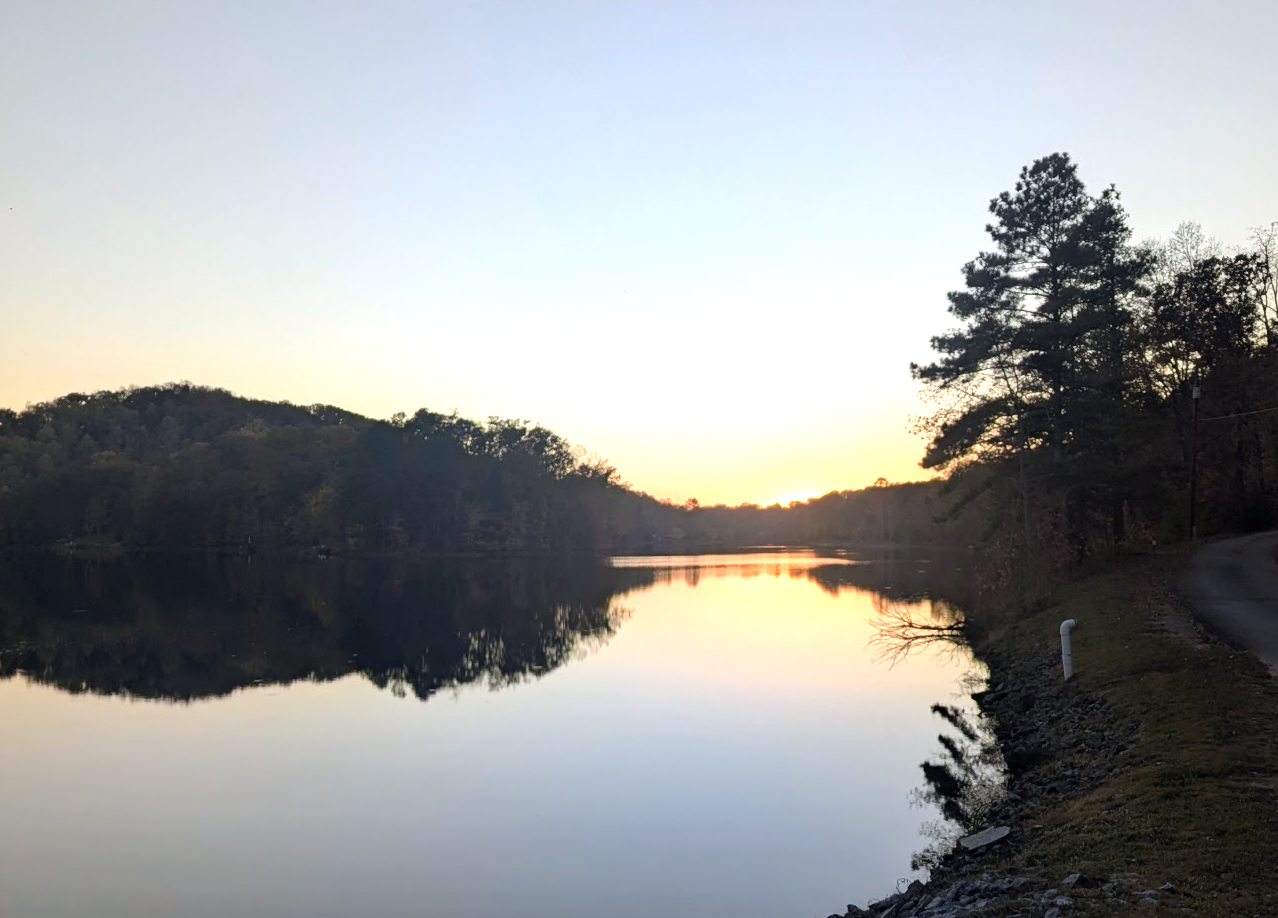
Laurel Lake (TN) sunset walk
Retirement or Rewirement?
Part of me wonders whether I’m even doing retirement right. Is it supposed to feel like this? Is there a handbook? (And if so, does it come with rubrics?)
But maybe this is what a first attempt is supposed to be: a gentle, sometimes awkward experiment in re-learning yourself outside of job titles and school-year rhythms.
Maybe this “longest summer ever” is the season I needed without ever knowing it – a season to soften, slow down, and wander a little. A season to unlearn urgency. To rethink purpose. To rediscover curiosity without having to turn it into a workshop, slide deck, or strategic plan.
For Now, I’m Letting Summer Last
I don’t know what comes next. I don’t even know how long this first attempt at retirement will last. Knowing me, I might press “rewind” and jump back into something new before long.
But for now? I’m living inside the longest summer ever… pajamas, coffee, LinkedIn lurking, and all.
And maybe that’s not just okay. Maybe it’s exactly right.
The landscapes may change, but the heart of learning stays the same.
In my earlier blog, Insight from a Hike: A Story About a Personal Journey and a Metaphor About Learning (March 2020), I shared how hiking in the Colorado Rockies became more than just a physical activity for me, it became a metaphor for learning and personal growth. I started with familiar trails, set small goals, took breaks when I needed to, and celebrated the little victories along the way. Every hike taught me something about perseverance, self-awareness, and the importance of setting a pace that fits the journey you’re on.
Now, my path has led me from the structured trails of Colorado to the open savannahs of Kenya. Here, the landscape is vast, unpredictable, and full of unknowns… much like the journey of lifelong learning. On safari, there aren’t many marked trails or clear signposts. You have to rely on observation, intuition, and adaptability to find your way.
When I think about learning… real, deep learning… I keep coming back to the lessons I’ve picked up outdoors. Whether it’s a slow hike up a mountain or a wide-open safari, the patterns are the same: uncertainty, observation, and collaboration. These experiences remind me that the way we move through the world is the way we learn, and that’s exactly what the ISK Big 5 capture. I’m proud of how our community has embraced this shift. We’re not just talking about skills in the abstract anymore; we’re starting to really see the Big 5 alive in our learning, in our behavior, and in the way we show up for each other, both inside and outside the classroom.
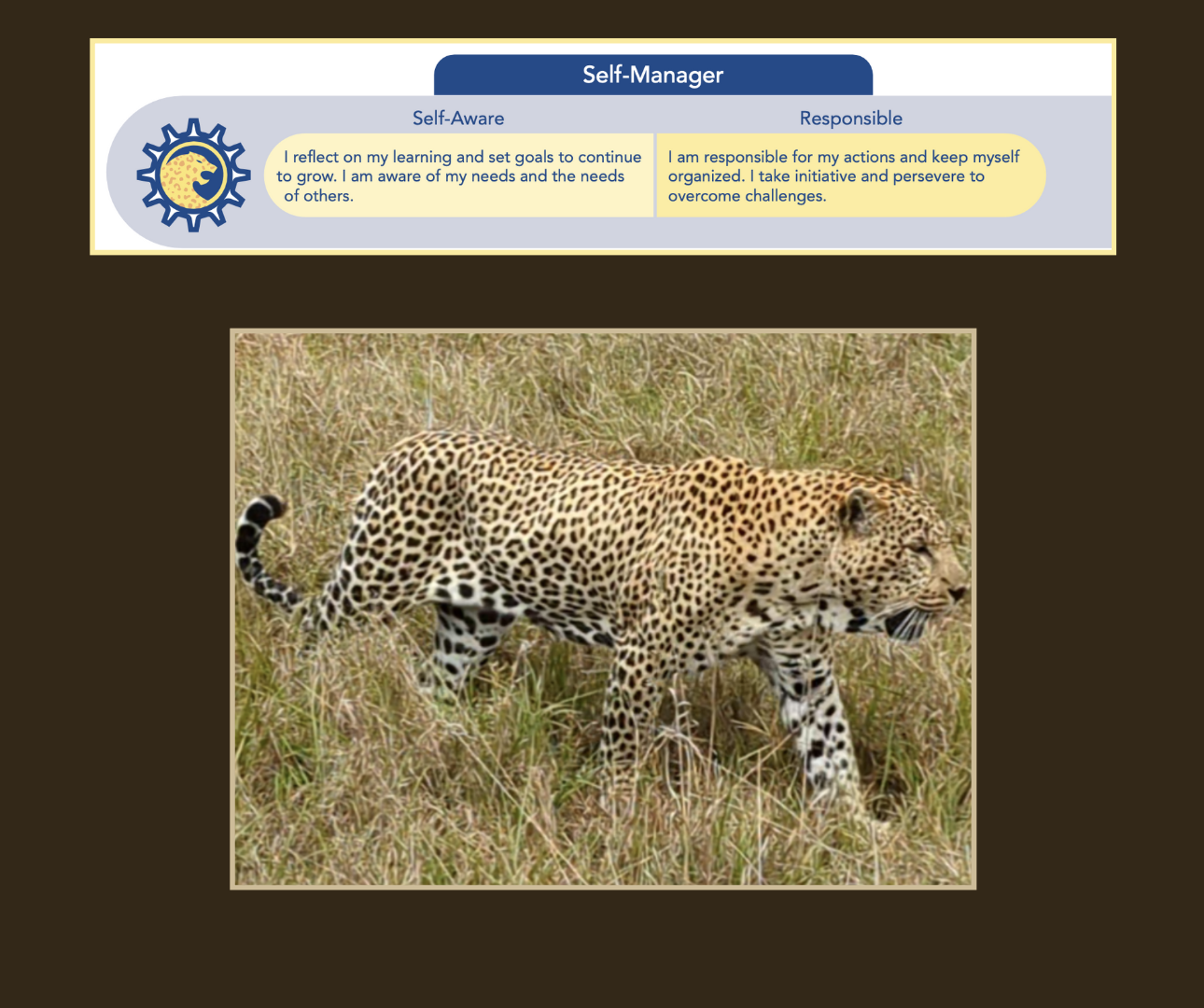
On a well-marked trail, it’s easy to feel confident; the next step is obvious. But on the savannah, the path isn’t always laid out for you. You have to navigate through uncertainty, trust your instincts, and adjust along the way. Learning works the same way. It’s rarely a straight line. Being a strong Self-Manager means staying grounded even when things feel unclear. It’s about knowing what you need, being responsible for keeping yourself moving forward, and finding the resilience to push through when you might feel a little lost. Growth happens when we stop waiting for certainty and just start walking.
On safari, your success often depends on what you notice… the flick of an ear, a shift in the wind, the stillness that wasn’t there a second ago. Learning asks the same of us. As Thinkers, we have to stay curious, ask the kinds of questions that open new possibilities, and reflect on what’s right in front of us. Sometimes the biggest insights don’t come from the loud and obvious; they come from the small details we take the time to notice. Good learning, like good exploring, starts with paying attention.
And nobody goes on safari alone. You lean on your guide’s experience, the sharp eyes of your fellow travelers, the quiet teamwork of a group tuned into the same goal. Learning thrives the same way- through connection. Being a Communicator means listening deeply and sharing ideas in ways that bring people in, knowing that what we say and how we say it matters. Being a Collaborator means building on each other’s strengths, asking good questions, and sometimes compromising so we can move forward together. Exploration, whether it’s across the savannah, in a classroom, or in a big life transition, always gets richer when we’re willing to see through more than just our own eyes.
At the heart of all of this is a mindset that goes beyond managing ourselves, thinking critically, or working together. It’s about what we choose to do with all of that learning. Being a Changemaker means using what we know to make a positive difference… not just for ourselves, but for the communities and the world around us. It means investigating the world, recognizing different perspectives, and taking action with care and purpose. Whether we’re hiking a trail, stepping into a new chapter, or coaching others along their own paths, the real impact comes when we decide to leave things better than we found them.
Although I might enjoy the solitude of a mountain hike, a safari is impossible to do alone. You rely on others… their eyes, their instincts, their energy. When I think back on the safaris I’ve been lucky enough to share, it’s the people that stand out. I learned the importance of patience, how you can sit for what feels like forever, just watching for the slightest flicker of movement deep in the bush. I listened to stories of past adventures that made the experience even richer. I saw a real hunger to learn, not just about the animals, but about the environment, the people, and the bigger picture. I watched how often conversations turned to wondering: How can we show up in ways that help, without letting our privilege get in the way? And through it all, what stood out most was the sense of gratitude and humility. Being out there reminds you how small you are — and how much bigger the world is when you take the time to really see it. That’s what the Big 5 are about too. It’s not just about learning for yourself; it’s about learning alongside others and using what you know to make a difference.
In the end, it’s not about reaching a destination. It’s about learning how to walk, how to notice, how to listen… and how to leave something better behind.
When I was in elementary school, I was tested to see if my IQ was high enough to be considered for the Gifted Program. I think I was singled out as a potential genius more for my EQ than for my IQ. I wasn’t super smart or anything, but I knew how to figure things out, how to read people, and how to please teachers.
This has remained true throughout my personal and professional life. I’m never the smartest person in the room, but my EQ reminds me that I’m okay with that. I appreciate learning from and with others. I love to laugh while working hard. I care about others and am curious about their superpowers.
In COVID times, a different type of quotient has emerged from the EQ bucket and has begun to grow legs, the Adaptability Quotient (AQ).
Our world has become more complex, more uncertain, and more ambiguous. Each day it seems we are navigating relationships and responding to situations that feel different than ever before.
According to Amy Edmondson, a professor of leadership and management at Harvard Business School, your IQ might help you get through exams to become qualified in your chosen field of work; your EQ might help you connect with your interviewer, get the job, and build relationships with coworkers and clients; but it’s your AQ that will ensure you can keep up with innovations and new ways to work in an everchanging future.
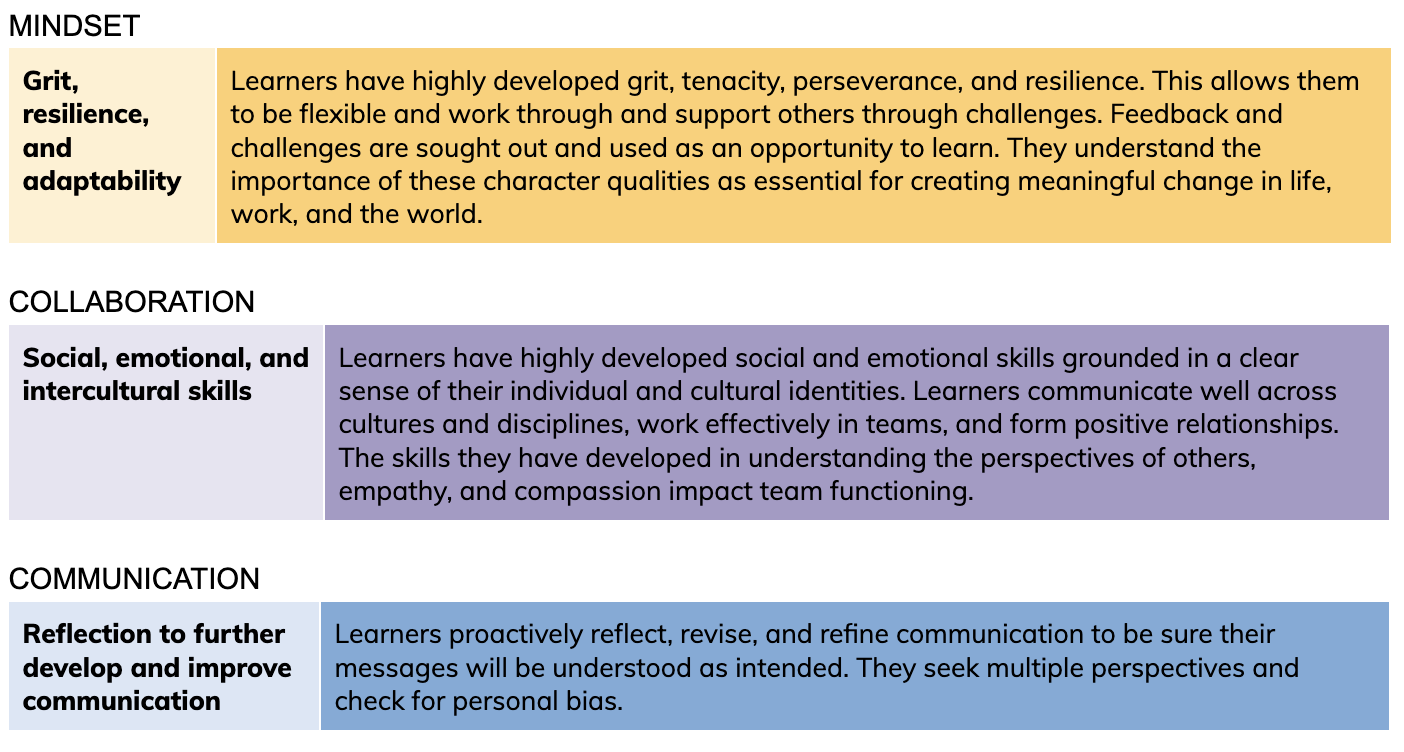
I believe these are skills that can be honed and grown, no matter your age or stage. In fact, the 6Cs from New Pedagogies for Deep Learning use progressions that help users better understand where they are in those specific competencies and what it looks like as they keep growing their AQ.
Below, I have included just a few of the competencies where I see what having a high Adaptability Quotient (AQ) looks like.
As educators, we need to help students not only build their AQ muscles, but we need to be explicit about what it looks like when they are being adaptable, when they aren’t showing the skills of being adaptable, and why this will help them throughout life.
Of course, we first have to start with ourselves. Take a look at the competencies above. Which of these do you feel confident in? Which do you see room for growth? How might you consider a goal to work towards? Who could join you as an accountability partner? Maybe a class?
Self-Awareness and Self-Reflection
Under the Communication competency, I am committed to checking for personal bias. I know that this is an area of growth for me. In fact, in a recent meeting, I recognized that my own biases might be interfering with my ability to make a specific decision and asked for a barometer check to ensure that my decision-making was fair and accurate.
Hey! Will you look at that?!
I used my IQ to remind me that I might be wrong. I used my EQ to humbly recognize that my thinking might be biased. I used my AQ to remain open and curious about other perspectives.
Just this week I was part of a global meeting about assessing and reporting deep learning.
Eight educators and two consultants located in and across North America, Japan, New Zealand, and Australia zoomed in to share ideas, current work, and ask questions about how we might collect evidence of global competencies in assessments, share growth of these competencies on the report card, and maybe even showcase them on the transcript (above academic performance- would be my dream!).
Global Competencies: New Pedagogies from Deep Learning
A wise member of this group said something that I just can’t get off my mind…
How might we help teachers better understand how to assess what we value rather than value what we assess?
At that moment, it was like a flood of excitement and questions and ideas rushed through my mind and my heart.
How is this the first time I have heard this phrase?
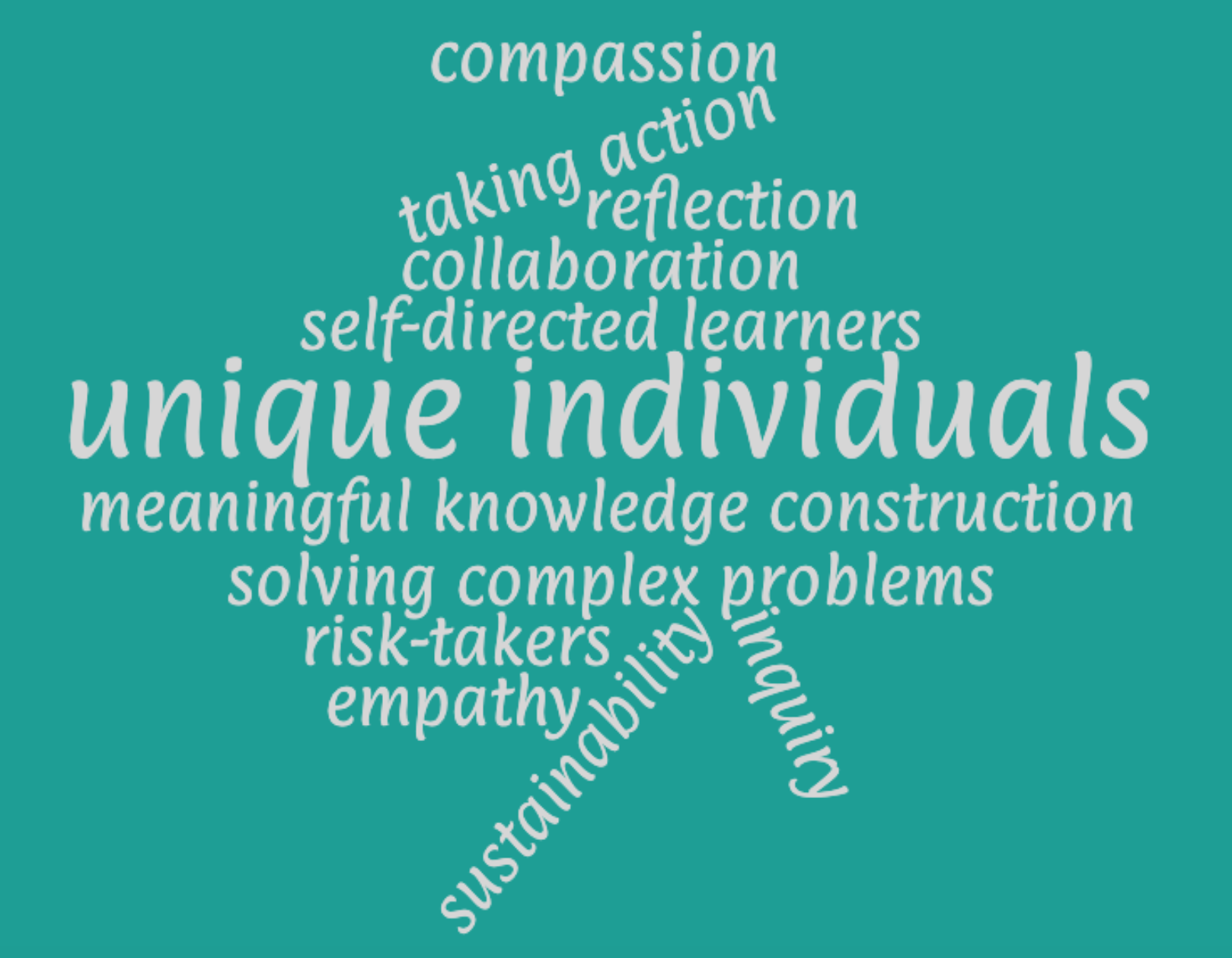
I immediately looked at our school’s mission and vision. What DOES our school value? The school where I work values students as unique individuals, self-directed learners, risk-takers, empathy, compassion, human and environmental sustainability, solving complex problems, collaboration, inquiry, meaningful knowledge construction, reflection, taking action, and so much more.
Would students look at our assessments and know what we value as a school or do our assessments look like we value
the right answer,
low-level knowledge and understanding, and
maybe even secrets (as in- we were tested on something that we weren’t taught!)?
Do our assessments tell students what really matters?
If we want self-directed learners, but only assess them through more traditional means, why should they believe what their school values? Students might be hearing one thing but seeing another. They will play the game of the holder of their grade, not the vision of the school.
Consider Student Voice and Choice
One example of how to show students that we value self-directed learning could be the opportunity for students to choose how they should be assessed on the targeted outcomes. Ask them for ideas. Some might choose a portfolio of various evidence and reflection, some might choose to create a gameshow, some might choose an infographic, or maybe a TedTalk. As long as they can show valid evidence of their proficiency toward the outcomes, doesn’t this show them that we value their ideas, their creativity, their voice, and the application of their learning?
The Real World
All we have to do is look at the real-world examples we view or read every day.
I can’t think of any multiple-choice/matching/fill-in-the-blank questions embedded in news articles or documentaries. I see lots of graphs, charts, infographics, rich text, and interviews.
How can we use newspapers, websites, newscasts, webinars, documentaries, and social media as models of authentic assessments?
But, But, But…
Shouldn’t we prepare students for the traditional assessments they might see later… like AP exams, SATs, university?
Sure, as formative assessments to inform what might need time for reteaching, individual differentiation, or going deeper based on interest. Keep these short, used at the beginning or end of class- depending on your needs, and definitely not high-stakes (no-stakes would be awesome!).
Sources
Fullan, M., Quinn, J. and McEachen, J., 2018. Deep learning. Thousand Oaks, Calif: Corwin.
Quinn, J., McEachen, J., Fullan, M., Gardner, M. and Drummy, M., 2020. Dive into deep learning: Tools for engagement. Thousand Oaks, CA: Corwin.
Note: This reflection from our Summer learning is just as relevant today as it was in August, as many schools are back to remote or hybrid learning as we continue to endure this pandemic. Please share your thoughts and learning in the comments.
“I can’t wait to spend my summer rethinking and creating new units!” exclaimed no teacher ever.
This sentence may have never been said by any sane teacher. However, 2020 was full of surprising comments that no one ever thought would be spoken. Teachers around the world were stuck at home this summer, and with most plans canceled… why not start planning for the possibilities of the new school year?
In an effort to break the monotony of Groundhog Day- Summer 2020 Edition, we invited our teachers to join unit planning cohorts to prepare for the new school year that started in the hybrid model. Each cohort was virtual, two days long, and participants were paid for their time and effort. Our Learning Office (Deputy Head of School for Learning and 2 curriculum coordinators) facilitated the learning and supported teachers and teams as they worked throughout each day.
A Case for Unit Redesign
Previously, we used Understanding by Design as our model for unit planning. However, over the last year, and more frequently during the current pandemic, we have been rethinking our unit design model. In the fall of 2019, our Leadership Team read Dive Into Deep Learning: Tools for Engagement by Quinn et al., 2019, and, after partnering with their organization, New Pedagogies for Deeper Learning (NPDL), we began learning about their Learning Design Model- a unit planning (and learning experience) template that still supports backward design but also incorporates the principles of Design Thinking by starting with understanding the student.
Emergency remote learning from early March through June taught us that we needed to first focus on students and their interests and needs followed by the most essential learning outcomes and the success criteria of those outcomes. We tweaked the NPDL Learning Design Model just a bit to fit our needs.
Our New Thinking about Unit & Learning Design
Step
Guiding Question(s)
Understanding our Students
What do we already know about our students?
Learning Outcomes
What do we want these students to learn?
Success Criteria
How will we know these students learned these outcomes?
Overview of the Unit
What is the story of this learning experience? What will these students produce?
Assessment Tools
What tools will we and our students use to assess learning?
Reflection
How well did this learning design meet the intended learning outcomes? How might we improve this unit?
Based on the Learning Design Template from NPDL
Introducing the New Approach
For the purpose of this blog and the current need to empathize with and understand the needs of our students now more than ever, I will focus on the first step: Understanding our Students.
What do we already know about our students (strengths, needs, interests)?
During our first planning cohort of the summer, we introduced our new unit design model. Once teams began working on their own, we noticed that some of them skipped this first question and moved ahead to the parts they were more familiar and comfortable with, such as learning outcomes, success criteria, and assessments. Teachers were unsure how to answer this question because they didn’t know who their students were yet. We quickly stepped in and coached teams to step back and reflect on students in general, the users of the learning, before moving forward. With a deeper look at the students who will be engaged in this learning, the next steps of the unit design became clearer and more meaningful.
A Few Examples
An example from our Japan Seminar (JSEM) course for seniors. The unit is called Confederate Monuments.
What do we already know about our students (strengths, needs, interests)? They want to learn about Japan. They just had American History- and I want to connect their learning about US History to talk about major themes in JSEM. They have been exposed to Black Lives Matter (BLM) during distance learning and other issues that they may not have gotten to process. They are interested in contemporary topics. Because they are taking this course, they want to be challenged in terms of ideas and texts. They want to discuss things.
Once this teacher was able to take time and consider the students coming into the class, the reason, and outcomes, for the unit made more sense. The focus became more about connecting to prior learning and thinking in order to process and discuss contemporary topics such as BLM.
Similar to a backward-design unit, the learning outcomes, success criteria, and assessment ideas followed but it was now evident that the unit had a specific audience that framed the purpose for learning.
An example from a Grade 6 Humanities unit on Discovering Personal Perspectives.
What do we already know about our students (strengths, needs, interests)? Students are entering middle school and are curious about themselves, peers, and teachers. With the hybrid model, students will be curious, but more nervous about middle school and the changes from distance learning in 5th grade. Students come from backgrounds both diverse and in some ways similar and need to recognize elements of their identity which affect their viewpoint. Current events around the world have made identity, bias, and race conversations more necessary.
Another example from the High School: Fine Arts 1 unit on Elements, Principles, and Composition.
What do we already know about our students (strengths, needs, interests)? Level 1 students come in with a varied amount of interest in art in general. 9th or 10th graders may have more interest and have plans for pursuing to AP level than higher grade students who have put off taking an art class. A wide variety of skills, experiences, etc. depending on if they had art courses at the middle school level. If students came from our middle school Art program, they will have a familiarity with the Elements & Principles vocabulary and concepts. Students often have anxiety about their drawing skills, specifically about making things look “real.” Students have more experience and thus facility with a pencil (graphite) but limited experience with the broader range of drawing media (charcoal, ink, pastel). Students often have a tendency to use symbolic representations of emoji type symbols (hearts, smiley faces, etc) and will need support to move beyond that.
These examples are still a work-in-progress and teachers will continue to build on their understanding of the students in their classes and reflect on those understandings within their unit design. As the year progresses, they will know their students better and be able to define who their audience is, more specifically.
Empathy before Curriculum
Begin with the End Students in Mind: A few tips for shifting to a student-centered approach
1. Choose a unit that you have taught previously and reflect on what students liked about the unit, what they struggled with, and the most essential concepts and skills of the unit. 2. Close your eyes and picture your classroom filled with students smiling and eager to learn. 3. Think about where they are coming from, their experiences, their background knowledge. Consider what their strengths, needs, and interests might be. 4. Jot down your thoughts on the top of your unit planner. 5. As you work through your revised unit, keep these students in mind. This is about them; it should always be about them.
This year is very different from any other school year. Students may be attending school virtually, face-to-face but with social distancing and mask requirements, and maybe a combination of both models. They will need to be able to trust their teachers through this pandemic and beyond. By rethinking units and learning experiences with students’ strengths, needs, and interests in mind, they will see that their teachers care for them and will guide them through what is essential in learning and in life.
References
Quinn, J., McEachen, J., Fullan, M., Gardner, M., & Drummy, M. (2019). Dive into deep learning: Tools for engagement. Sage Publications.
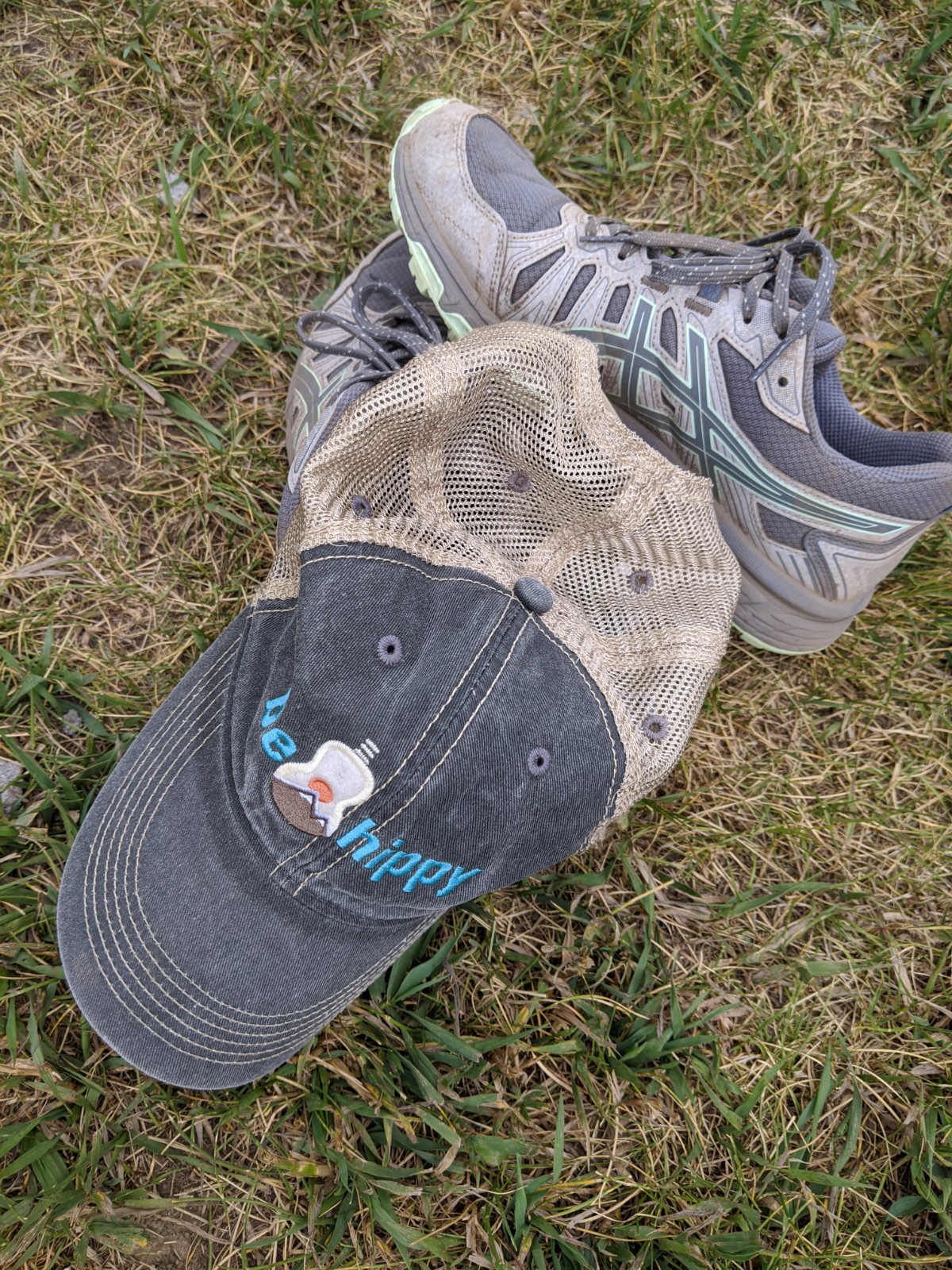
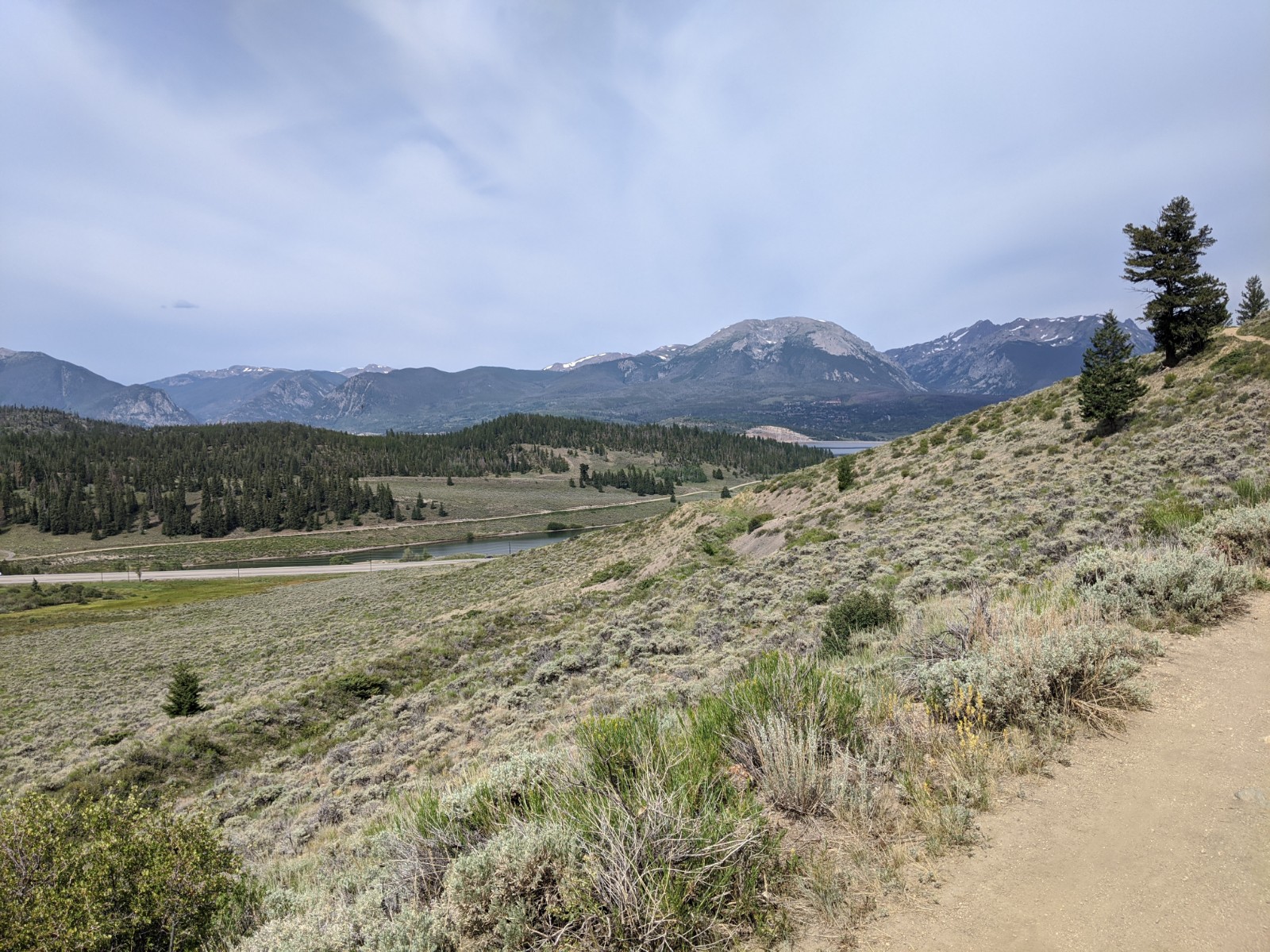
I found a new hobby this summer: hiking. Even though I have spent the last 8 summers at our home in the Rocky Mountains, I never really wanted to walk up and down steep mountains for fun. However, I needed to find my fitness again; it’s been a while since I was regularly active. My husband, Shane, offered to hike with me at first. I said no. I wanted to do this on my own. I needed to do this on my own. I started slow and easy. I took breaks as often as I needed. I didn’t challenge myself too far; I stayed on familiar trails and terrain. It was my church and my meditation time. It was quiet.
After a few weeks, I could tell I was ready for something new and challenging. I was also ready for a partner to help challenge me, lead me, invite me to set our pace, try new trails. It was on one of these hikes, with Shane, that I started to relate our journey to what I was thinking about learning. Today, though, I took to the trail alone. I hope I never look back.
The Hike
As the sun shone through my bedroom window this morning, I stretched and started wondering,
Where will I go today? What am I up for? A short hike or a long hike? A challenging trail with rough, steep terrain or a meandering switchback through the sagebrush? Where will I go today?
I was excited to see what I could accomplish in the next few hours.
I chose a 4.5-mile moderate hike (95 minutes) with plenty of flat space for light jogging- this is where I am trying to challenge myself. I’ve done it once before but going the opposite way. I chose a solo journey today. I wanted to wrap my head around this new thinking about learning on my own. Shane isn’t quite as geeky about learning as I am (especially during summer vacation).
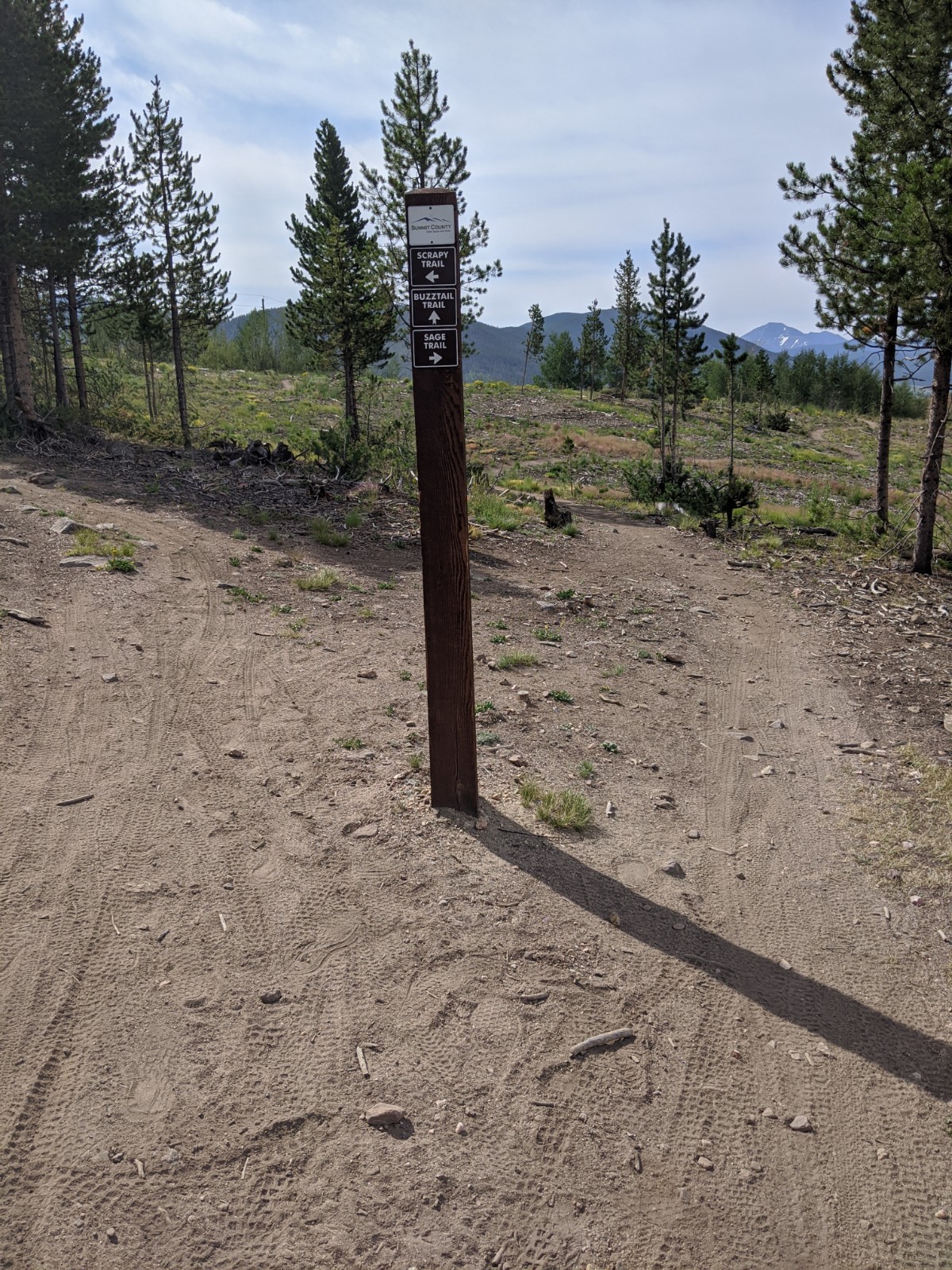
I first read the trailhead marker. I like to know where I am and where I am going. I started slowly to warm up my legs, my lungs, my brain. I picked up my pace as the trail became less rocky, smoother, more level. Then I started jogging. At the point that I knew the trail was beginning to incline and I would have to slow down, I chose a landmark that would be my “finish line” for jogging. I had to make it to that landmark, though. That was my short goal. I celebrated by looking back toward what I had just accomplished and looked at the scenery around me.
As I continued the hike up, I recognized the moment I needed a break. I had been moving along at a good pace for quite some time, but I wasn’t challenging myself as much as I could be. I needed to stop, refresh my body, redirect my brain, breathe, and set a new short goal. I will jog to that group of trees up there in the distance. I can do this. My stamina and grit are back.
Once I made it to my next “finish line” I noticed something ahead. A pile of bones.
What type of animal bones are these? What killed this animal? How long have these bones been here? What other animals live in these mountains? Are they watching me right now?
So many questions. I was excited to do some research and find out some of the answers to my questions.
I also noticed life around me. Flowers beside the trail. How did these get here? There weren’t any other flowers nearby. Look at how different they are; how beautiful they are.
A crossroads is ahead. Three trails to choose from. Which way shall I go? It is my choice; and I know that each choice will get me to my final destination. Having this choice is empowering and exciting.
The journey to the top is worth it. I struggled to get up here, but look where I ended up. If I hadn’t challenged myself, I wouldn’t have seen this. The hardest part is over. As they say, it’s all downhill from here.
Even though the hardest part is over, my journey back down the trail must still be my best effort. I still set short goals. I still kept my heart rate up. I did not get lazy. I reminded myself of all I learned and what was worth remembering. I revised my thinking for my next hike.
My celebration came when I crossed my final finish line. There was someone waiting for me. They were proud of my effort.
How’d you do? How’d it feel? What was the best part? What was most challenging? What are you thinking for your next journey?
From the Trail to the Classroom
How can you use the hiking experience to focus on essential learning and skills, motivate students, and keep them on the right path of essential learning?
The hiking experience in 7 easy steps
Set the trail: where are you going and how are you getting there?
Choose a solo or partner journey: some people need a buddy. Someone to mix the social and academic aspects together. Someone to lead the way. Someone to challenge them. Someone who will slow them down when needed. Some people need to “go it alone.” Sometimes we might change our minds in the middle of our journey and wish we had chosen differently.
Set short goals along the way: to keep motivation high and continue to move forward. Small wins get you to a huge victory!
Take useful breaks: Use this time to recharge, reset, redirect. Then get back at it!
Be curious along the way: What do you notice and wonder as you move toward your goal? What new learning are you thinking about? What did you learn that you didn’t know before?
Don’t ease up on the downhill: The hardest part may be behind you, but you aren’t at the finish line yet. Keep giving your best effort.
Celebrate the journey: Have a “cheerleader” meet you at the end. Reflect and be proud of this hard work. Plan for your next journey.
We have a moment, right now, to take a break and reset our thinking about learning. What is really important for students to know and be able to do? How will you be their guide during this year’s journey? What choices will students get to make about their path? What questions will they get to ask and answer that will take them further, deeper into the forest of understanding? How will you get students excited to wake up in the morning as wonder…
Background: My husband is a high school Social Studies teacher. I am a Curriculum Coordinator at the same school. We have 2 high school children (a sophomore and a senior), who attend this school.
I’m thinking that this post is for teachers and parents of the Senior Class of 2020. I can only give the view of my senior and what I am noticing but I am sure that others can relate and surely have more to add.
Tradition… Interrupted
There is a tradition at this school. Seniors write long letters, by hand, on their graduation cards to their friends, parents of their friends, and most loved teachers. They start writing these letters as soon as the grad cards arrive. Some write as many as 40 or more. Except for this year. The cards are sequestered in the high school office. The campus is closed to families for the remainder of the year. The school is figuring out how to get everything to the seniors.
This is one of many traditions at our school, but this is the one most affecting our senior. It is getting in the way of everything else. It is consuming his days and nights. Who can think about AP Environment Science or Calculus or English at a time like this? These letters must be written, revised, and written again on these special cards in the neatest smallest handwriting ever! Except for this year. Our senior is making his own cards out of cardstock he borrowed from my office. He is putting a lot of consideration into the design of the front AND back of the cards as well as what is going to be personally written in each one.
This is one reason that schoolwork is being put on the back burner. I have to let it go and let him come to grips with what he is prioritizing right now.
A Case of the What-Ifs
Our senior has known since November where he was going for university. It was his only choice. We visited last summer on a college tour and he knew immediately that Western Colorado University was the school for him. The campus is lovely. The people we met were his kind of people. It felt like a community and reminded him of everything he loved about his high school community.
Last month, he chose a roommate and they speak most days. They are getting to know each other, their histories, and their hopes as college students.
As the days have passed, though, the What-Ifs have started creeping into our senior’s daily thoughts.
What if we can’t move into our dorm in August? Where will I live? What will I do?
What if I have to live at home by myself? I’ll need a license. I’ll need a car. I’ll need a job. I’ll need to learn how to care for a house and myself. Should I get a roommate?
What if my family can’t travel home for Christmas because COVID is still around? I won’t see them for almost a year. I don’t have any other family nearby. I might not be able to travel east to see grandparents, aunts, uncles, and cousins. I might be alone for a long time.
What if I can’t do it? I can’t be that kid who still lives with Mom and Dad. You know, the one who graduated but still hangs out with the high school kids.
What if? What if? What if? What if? What if? What if?
This is another reason that schoolwork is being put on the back burner. I have to support him, his worries, his reality, and let him come to grips with what he is prioritizing right now.
There’s No Cap on Empathy, Right?
Are his classes important? Yes. Is this experience showing us whether or not he can be a successful independent learner or a responsible adult? At first, I would have said yes. I no longer believe that this experience is actually telling us anything about who our kids are as independent learners or responsible humans any more than it’s telling us where we fall on the continuum of perfect parents or amazing teachers. We are all just trying to survive.
I have received a few emails from teachers over the last few weeks about our senior’s missing assignments or projects. I am so impressed with the care they have shown; the patience they have. I have so much empathy for all of these teachers- they did not sign up for this. I also have so much empathy for our seniors- they did not sign up for this, either. I just hope that there isn’t a cap on empathy.
Background: My husband is a high school Social Studies teacher. I am a Curriculum Coordinator at the same school. We have 2 high school children (a sophomore and a senior), who attend this school.
Part 1: Empathy for Teachers
This past Friday morning, I was pouring a cup of coffee in the kitchen. My husband was holding a virtual synchronous class with one of his AP World History classes in the same room (his workspace is in our kitchen). I could tell he was getting frustrated.
Who am I kidding, we are all beyond getting frustrated.
Earlier in the week, he shared a discussion post using Parlay to ask students to choose which option they preferred as a way forward to prepare for the AP exam as a class and to comment on one other student’s post.
Parlay Discussion Post
Goal: Try to decide how we look at AP World History Review from April 12th – March 21st
Option 1: Start to use the review videos released by the College Board. The videos typically are created by AP readers/teachers who approach the review unit by unit. The units are divided into subunits with lots of instructions about how/why the content could be incorporated into writing for the Modified, 2020 APWH test.
Option 2: Continue to use a variety of resources to review the content of each APWH unit. The activities include a variety of shorter videos and vocabulary activities.
Discussion Question
Which option do you like the best? Give a rationale as to why you think this option would work best for you and/or the class.
Peer Feedback Instructions
You are expected to respond to at least one other student’s discussion answer. You can politely disagree with them (give a rationale for your disagreement) or concur with them (give a rationale for your agreement).
Some students did not complete this simple task. Others completed it with seemingly little care. Maybe the students were thinking that the teacher knows best and they will review in whatever way he thinks is best for them. For many of them, this is their first AP course. They don’t know what they don’t know.
However, let’s look at it from the teacher’s point-of-view.
As a school, we are pretty deep into our COVID-19 Distance Learning experience. Not China-deep, but Asia-deep. We are in the second phase of our thinking now that we know this will be our reality for the remainder of the school year. Here’s what that looks like:
Phase II Focus:
Essential learning and assessing
Letting go of the “nice to know” curriculum
Engaging and motivating projects/activities/performance assessments
Not burning out (teachers or students)
So, with this in mind, I know the teacher from this story was considering these aspects as well as other relevant data. For instance, students have made it clear in surveys that they appreciate any chance to collaborate with their peers, take part in discussions, and have some choice/ownership of their learning. Parlay was a new tool that he thought would be fun for kids, let them interact with each other, and give them a voice in the decision about how to review and prepare for the AP exam.
What the students didn’t know was how much time it took to learn the tool, set it up, create the post, try it out, revise it, and publish it for each class.
The discussion was posted on Monday. There was a reminder on Wednesday, and by Friday morning’s synchronous class, well, let’s just say that my husband had to use his teacher voice.
He was honest. He was vulnerable. He let the kids know that he was frustrated and working a heck of a lot harder than they were. He actually listed the steps he took to create the discussion board and the time it took from his weekend.
Remember earlier when I said they don’t know what they don’t know? This is the empathy part.
In class, teachers have the toolbox that they have been digging into for years. In Distance Learning, it’s a whole new toolbox. Students don’t know that. Students don’t realize that teachers are learning new tech tools, new ways to communicate and collaborate, rethinking units, and completely redesigning assessments.
I think it’s more than okay to be honest and vulnerable with our students. I also think that students who understand exactly how hard their teachers are working to create meaningful learning experiences at home will be more engaged and more motivated.
During your check-ins with students this week, open up to them about how hard this is and what you have learned. Show them. It’s not about gaining sympathy or making them feel guilty. We are all human. When they see just how much you are doing for them, I hope some of them might try a little harder, give a little more.
How do you share your own learning and your own struggles with students? Let me know!
As we continue to practice aligning assessments to standards, it’s important to not only reflect on student data but to plan for improving results for all learners. Framing our conversation (aka using a protocol) about student data will help us focus on the learning targets and how the assessment actually provided evidence of mastery of the targeted standards.
Steps for Framing a Team Conversation
Within one week of giving a common assessment, set aside 30 minutes of your team’s common planning time (teachers will need to mark their class’s assessments before the team meeting). If you are a one-person team, then ask a critical friend, an administrator, or an instructional coach to join you for some analysis fun!
I hope that my colleagues know that I am always eager to join a conversation about learning!
As a team, consider the following questions, from In Praise of American Educators, to determine the validity of the assessment, its alignment to the standards, and how the data will be used to improve results for all students. Your team may decide that other questions should be added to frame the conversation. Add those, too.
The reproducible below is found in the book above.
Possible questions to consider, from DuFour’s book:
Once the team feels that they have a better understanding of the students’ current learning of the targeted standards, then consider what these results mean to the next unit of study as well as how this unit will be revised for next year. Those reflective notes should be added to the unit documentation as well as the assessment. The ATLAS UbD template is a perfect spot to add strategies for differentiation and notes about the unit.
This is our template for Stage 3 in ATLAS. Some teams also use Google Docs for Stage 3.
Finally, check out Solution Tree’s free resources for tools to help your team work collaboratively and with purpose, information about upcoming webinars, and a video library from the experts in learning.
Students and teachers across the world are beginning a new year. How do I know? My Facebook feed is inundated with Back-to-School pics- and I love it! Here are a few from my feed over the years. Don’t tell my kids!
2009
2012
2016
When our kids would tell us about their first few days of school, it was clear how the year was going to go. The teachers who spent time getting to know their students by building relationships and building routines were more likely to be the teachers that helped our kids feel cared for and feel confident.
It doesn’t need to take a lot of time to begin on the right foot. It can be as simple as standing at the classroom door, shaking each student’s hand, looking them in the eyes, making a quick introduction, and welcoming them to class. The old don’t-smile-until-Christmas advice has never been good for anyone.
Who are your students?
Over the first few weeks of school, the connection you make with students will impact the rest of the year. First impressions work both ways. Tell them about yourself as a student and a learner when you were their age. Better yet, show them a picture of YOU at their age. Here I am at different stages of awkwardness.
Let them know what your dreams were for your future. Where you thought you’d be. How you got where you are now.
Have a laugh, reminisce, then focus on them.
As much as it is a great ice-breaker for them to get to know each other, I recommend that you also get their info on paper (or digitally). Maybe through a discussion post or journal entry on your LMS, or a Google Form, or even a shared Google Doc. This may be the most important data you collect all year.
Focus your questions on these 3 topics (including a few examples):
Your students as people…
What is their background?
Where is home (especially important to those who are international)?
How would their family and friends describe them?
What do they need you to know about them?
Your students as learners…
What type of teacher do they respect?
How do they learn best?
How do they ask for help when they need it?
Your students as the future…
What are they passionate about?
What is happening now in their world that excites them?
What is happening now in their world that worries them?
Finally, let’s get back to you.
How are You Modeling Lifelong Learning?
As we get to know our students and they get to know us, we need to think about how we are modeling learning as learners ourselves. We need to build our own learning networks and share, with students, what we are learning as well as how we are using that learning. If we expect students to be learners, we must be learners.
Facebook and Twitter have made this easy. If you teach science and use the NGSS, then there’s a Facebook page for you. If you teach PE, then there are pages for you. If you use Seesaw, then there are pages for you. Honestly, if you teach it, someone is posting about it!
Here is a Google Site that I made last year with links to pages that are worth adding to your learning network. Leave me a comment if you have others that I should add.
My thoughts and energy are with you all this year. It’s going to be GREAT!